Problem plants are an important consideration when designing a successful garden. At Details Landscape Art, we design and build landscapes throughout Sonoma, Napa, and Marin Counties, and careful plant selection is always a critical part of the process.
Before selecting plants, we consider the homeowner’s lifestyle, whether there are children or pets in the household, the amount of maintenance the client is willing to perform, and the growing conditions of the site. While many plants available in local nurseries are beautiful, some come with issues that should be considered before planting.
Not every plant belongs in every garden.
Problem Plants and Homeowner Safety
Some plants can pose risks to children and pets because portions of the plant are poisonous if ingested.
If small children or pets are likely to be present, we generally avoid using plants such as:
- Oleander (Nerium oleander)
- Foxglove (Digitalis)
- Daphne
- Hyacinths
- Narcissus and daffodils
- Lily-of-the-valley (Convallaria majalis)
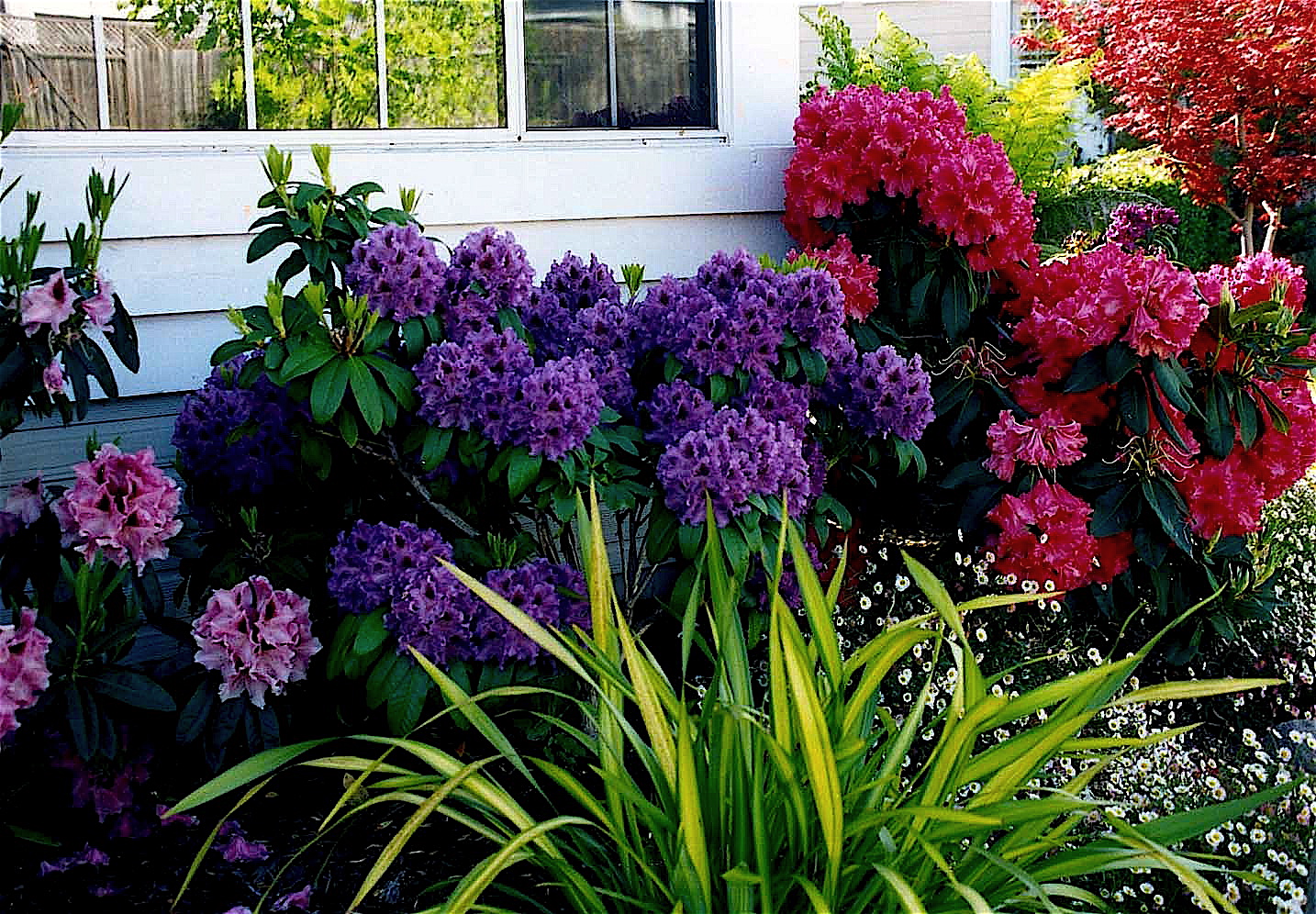
- Rhododendrons and azaleas
 Rhododendrons can be problem plants
 - Elderberry
Many of these plants are attractive and widely available, but beauty alone should not determine plant selection.
Problem Plants – Invasive
Some plants are simply too aggressive for responsible landscape use.
Certain species spread rapidly beyond the garden and can become environmental problems.
Examples include:
- Mexican Feather Grass (Stipa tenuissima)
- Pampas Grass
These plants can escape cultivation, spread into open spaces, and become extremely difficult to control. We recommend avoiding them entirely. They can be problem plants.
Problem Plants – Aggressive Growers
Other problem plants may not be invasive in the environmental sense, but they can quickly overwhelm a residential garden.
A few examples include:
Potato Vine
Most vines require regular maintenance, but potato vine can grow at an astonishing rate and quickly become difficult to control if neglected.
Butterfly Bush
Buddleia is popular because of its flowers and ability to attract butterflies. However, it is an extremely fast-growing shrub that requires annual hard pruning and plenty of room to spread.
Vinca Major
While attractive as a groundcover, Vinca major can become aggressive and difficult to contain. We generally prefer Vinca minor, which is easier to manage.
Problem Plants – Messy
Some plants create maintenance issues because they continuously drop leaves, flowers, fruit, or seed pods.
These plants may be perfectly acceptable on large properties but can become frustrating when located near patios, walkways, swimming pools, or outdoor entertaining areas.
Examples include:
- Olive trees
- California Pepper Trees (Schinus molle)
- Silk Trees (Albizia julibrissin)
- Sweet Gum (Liquidambar)
The beautiful fall color of a Sweet Gum may be worth the tradeoff for some homeowners, but others quickly grow tired of cleaning up thousands of spiky seed pods.
Problem Plants with Thorns and Stickers
Many beautiful plants come equipped with built-in defense systems.
These plants can be used successfully, but they should be located away from play areas, pathways, and high-traffic locations.
Some examples include:
Barberry
Japanese barberry varieties such as ‘Rose Glow’ offer beautiful foliage color but are armed with sharp thorns.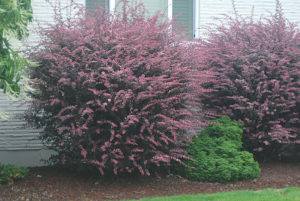 Because of sticky thorns Japanese barberry can be a problem plant
Roses
Few plants can match the beauty of a rose in bloom. Unfortunately, few plants can match their ability to grab unsuspecting gardeners as well.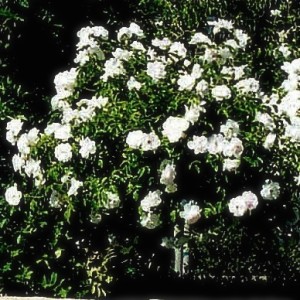 Iceberg rose has sharp thorns that can draw blood
Citrus
Lemon and lime trees are productive and attractive but can be surprisingly thorny, especially when young.
Pyracantha
Pyracantha produces beautiful berries and makes an effective screening plant, but its thorns are among the nastiest in the landscape.
Matching Plants to the Landscape
Successful plant selection is about more than choosing plants that look attractive at the nursery.
A good landscape contractor considers maintenance requirements, growth habits, safety concerns, environmental impacts, and long-term performance. We also consider factors such as climate, irrigation requirements, and the possibility of using frost-sensitive species in protected locations.
At Details Landscape Art, we believe that selecting the right plant is just as important as avoiding the wrong one. By understanding the strengths and weaknesses of various plants, homeowners can enjoy a landscape that remains beautiful, functional, and manageable for years to come.