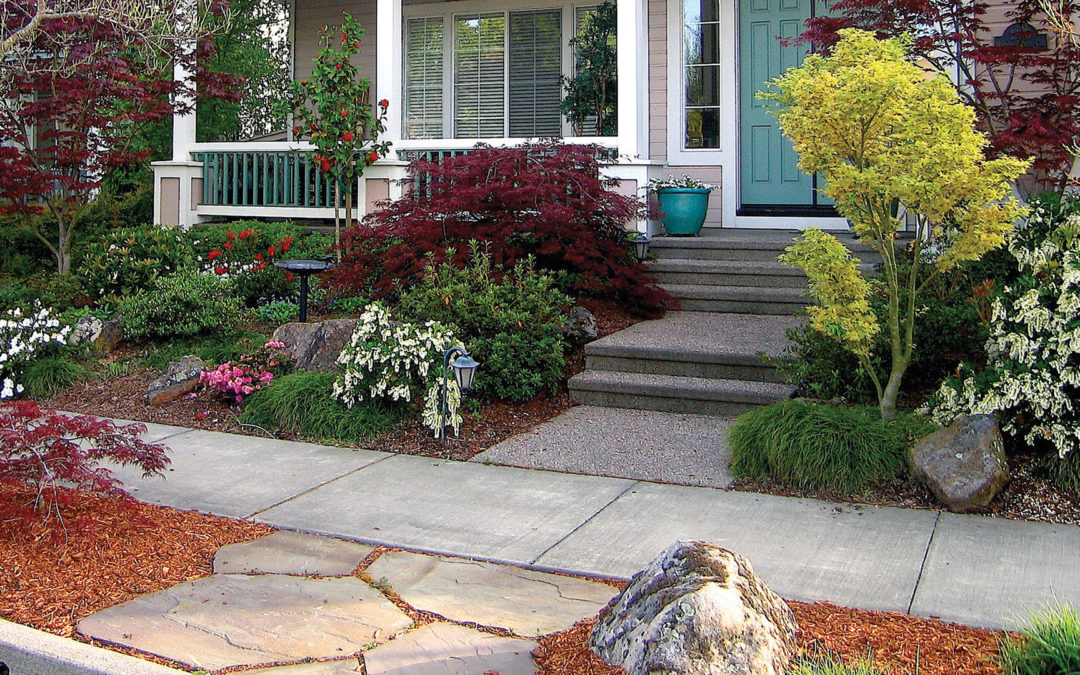
Details Landscape Art has been designing and building gardens throughout Sonoma County since 1991. Like all living things, plants require water and nutrients to survive and thrive. While most soils provide some natural nutrition, virtually every garden benefits from supplemental feeding at some point. Fertilizing plants yields a lush healthy garden
Plant material will survive without fertilizer, but will not thrive.
Over the years, we have seen a significant difference between gardens that receive regular fertilization and those that do not. Well-fed plants generally exhibit stronger growth, richer foliage color, better flowering, and greater overall vigor. We offer a winter pruning service to many of our installation clients and often revisit gardens years after they were installed. The difference between fertilized and unfertilized gardens is often quite noticeable.
Why Fertilizing Plants Matters
When plants are first installed, they are essentially babies. Their root systems are limited to the size of the container they came in and need time to establish themselves in the surrounding soil.
During this establishment period, regular fertilization encourages healthy root development and vigorous growth. Once established, plants still benefit from periodic feeding to maintain their appearance and health.
A properly fertilized garden typically produces:
- Richer foliage color
- More vigorous growth
- Better flowering
- Improved overall plant health
- Greater resistance to environmental stress
Fertilizing Lawns
Lawns are among the hungriest plants in the landscape.
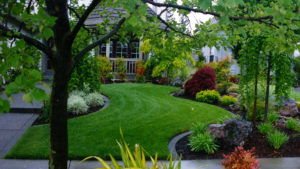 Fertilizer makes for a lush green lawn
For homeowners who desire a lush green lawn, regular fertilization during the growing season is beneficial. We typically recommend several applications throughout the spring and summer growing months, followed by a fall application designed to strengthen the lawn before winter.
In Northern California’s relatively mild climate, lawns often continue growing through much of the year and can benefit from occasional cool-season feeding as well.
The exact schedule depends on the type of lawn, soil conditions, and the homeowner’s maintenance goals.
Fertilizing Newly Installed Plants
Newly installed shrubs, trees, perennials, and groundcovers benefit from more frequent feeding during their first two years in the ground.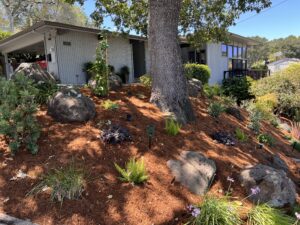 Fertilizing plants in a new installation is important
Once plants become established, fertilization can usually be reduced to one or two applications during the growing season.
While winter fertilization generally does not harm plants, most nutrients are utilized most efficiently when plants are actively growing during spring, summer, and early fall.
Liquid vs. Granular Fertilizers
There are many fertilizer products available, including both granular and liquid formulations.
Because we use drip irrigation extensively in Sonoma County landscapes, we often prefer liquid fertilizers. Liquid products are delivered directly to the root zone and become available to the plant immediately.
Many homeowners find hose-end sprayers to be a convenient method of application. They are easy to use and make fertilizing plants a relatively simple garden maintenance task.
Different fertilizers are available for different purposes, including:
- All-purpose fertilizers
- Rose fertilizers
- Bloom boosters
- Acid-loving plant fertilizers
Selecting the appropriate product depends on the type of plant being fed and its particular nutritional requirements.
Don’t Forget the Basics
While fertilizer is important, it is only one part of a successful garden care program.
Proper watering, good soil preparation, appropriate plant selection, and seasonal pruning all contribute to a healthy landscape. Fertilizer works best when these other fundamentals are already in place.
A struggling plant is not always suffering from a lack of fertilizer. Poor drainage, improper irrigation, incorrect sun exposure, or planting the wrong plant in the wrong location are often the real causes of poor performance.
A Healthy Garden is a Beautiful Garden
One of the pleasures of landscaping is watching a garden mature over time. Healthy plants grow faster, bloom better, and create a richer, more attractive landscape.
At Details Landscape Art, we have seen firsthand how regular fertilization contributes to the long-term success of a garden. Fertilize your garden and watch everything grow!