Color and Contrast are two of the most important elements in creating a beautiful and memorable landscape. While individual plants may be attractive on their own, it is the combination of foliage colors, textures, shapes, and seasonal changes that truly brings a garden to life.
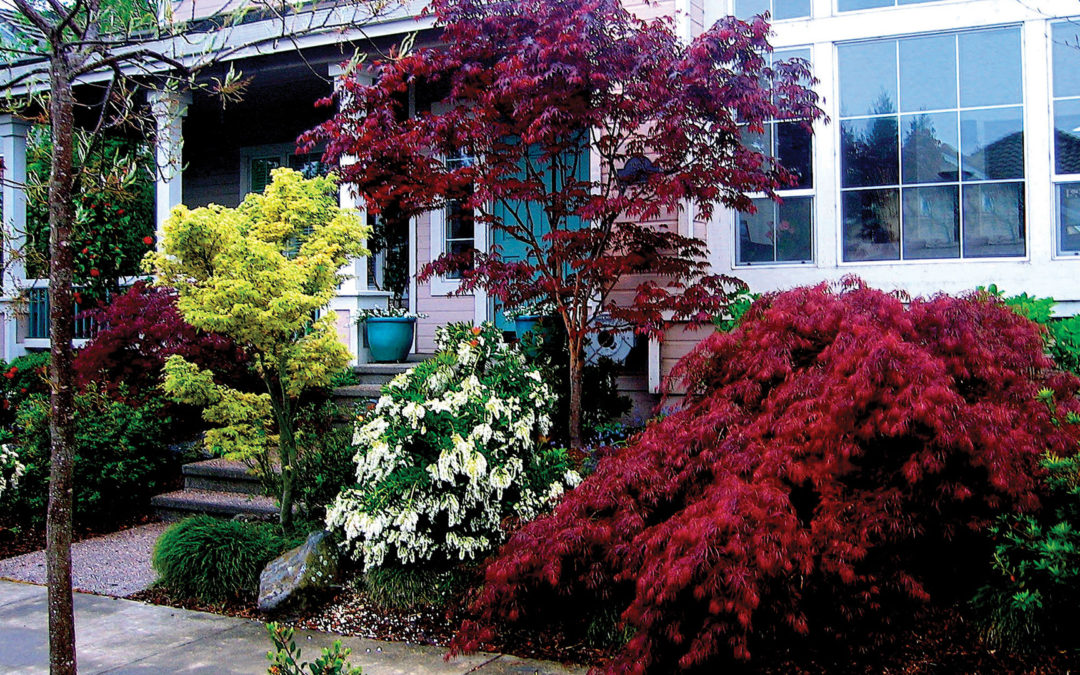
Japanese maples, Pieris japonica, and layered foliage create dramatic color and contrast in the garden. Contrasting foliage colors create year-round texture and visual depth in Sonoma County landscapes.
At Details Landscape Art, we specialize in custom landscape design throughout Sonoma County, including Healdsburg, Petaluma, Santa Rosa, and surrounding communities. One of the keys to our landscape design approach is carefully selecting plant combinations that create visual excitement and year-round beauty.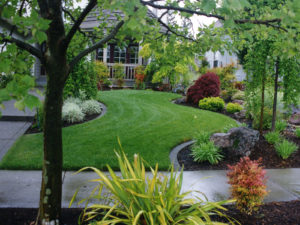 A successful garden is never accidental — it is thoughtfully composed using color, texture, contrast, and balance.
Why Color and Contrast Matter
Beautiful landscapes rely on more than flowers alone.
Many flowering shrubs bloom for only a few weeks each year, which means foliage, texture, leaf color, bark, stone, and structure become incredibly important during the rest of the seasons.
Strong landscape design combines:
- Evergreen and deciduous plants
- Contrasting foliage colors
- Varied leaf textures
- Seasonal bloom cycles
- Natural stone and wood elements
- Different plant heights and forms
The interaction between these elements creates depth, movement, and visual interest throughout the year.
Using Foliage Color and Contrast in the Landscape
Foliage often provides more lasting impact than flowers because leaves remain visible for much longer periods throughout the year.
At Details Landscape Art, we frequently combine contrasting foliage colors to create dynamic planting compositions.
Popular foliage color groups include:
Burgundy and Red Foliage
- Japanese Maple ‘Red Dragon’
- ‘Crimson Queen’
- ‘Tamukeyama’
- Berberis ‘Rose Glow’
- Purple Smoke Tree
- Loropetalum ‘Purple Majesty’
- Cordyline varieties
These darker tones create dramatic contrast against lighter foliage and stone.
Gray-Green Foliage
- Lavender
- Rosemary
- Pineapple Guava
- Westringia
- Silver foliage plants
Gray-green foliage creates a soft Mediterranean appearance while blending beautifully with natural stone and gravel pathways.
Gold and Bright Green Foliage
- Coleonema ‘Golden Sunset’
- Euonymus varieties
- Sedum ‘Lemon Coral’
- Lomandra ‘Breeze’
These brighter tones add energy and help illuminate shaded or darker garden areas.
Silver and Variegated Foliage
- Tulbaghia ‘Silver Lace’
- Pittosporum ‘Marjorie Channon’
- Variegated hydrangeas
Silver foliage adds sophistication and contrast while softening stronger color combinations.
Texture Adds Depth and Movement To Color and Contrast
Texture is another critical element in successful landscape design.
Different textures create contrast and help gardens feel layered and dynamic.
Texture may come from:
- Fine ornamental grasses
- Large broadleaf plants
- Wood structures
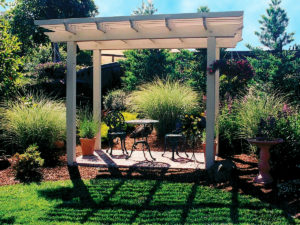 Miscanthus sinensis ‘Morning Light’ wave in the breeze behind white painted arbor
 - Rough stone surfaces
- Smooth bark
- Twisting tree branches
- Flower forms and seed heads
Even the sculptural branching of a mature Japanese maple can become an important textural feature during winter months after the leaves have fallen.
Combining Plants for Color and Contrast and Dramatic Effect
One of the most important parts of landscape design is selecting plants that complement and contrast with each other.
Some favorite combinations we frequently use include:
- Coleonema ‘Golden Sunset’ with Berberis ‘Rose Glow’
- Japanese Maple ‘Viridis’ with natural boulders
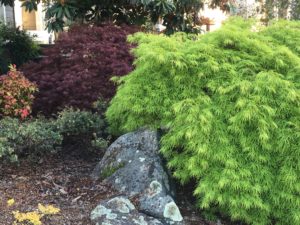 Natural boulders and contrasting foliage colors create striking focal points in the landscape.
- Red Dragon Japanese Maple with white Iceberg roses
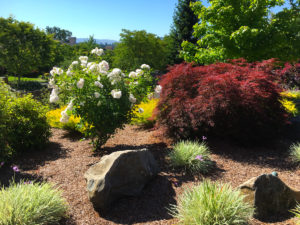
Color and contrast in the garden
- Lomandra ‘Breeze’ with lavender and fountain grass
- Westringia with red Cordyline
- Pieris ‘Temple Bells’ with Japanese maples
The goal is to create visual relationships between foliage color, flower color, texture, and surrounding hardscape materials.
Hardscape and Contrast
Contrast in landscape design extends beyond plants alone.
Stone, wood, gravel, water, and architectural structures all contribute to the visual composition of a garden.
Examples include:
- White arbors against dark green lawns
- Moss-covered boulders beside fine grasses
- Gravel pathways next to lush planting beds
- Rustic wood structures paired with colorful foliage
These combinations create balance while helping the garden feel cohesive and intentional.
Seasonal Interest Throughout the Year
A thoughtfully designed landscape should remain visually interesting during every season.
At Details Landscape Art, we carefully select plants that provide:
- Spring flowers
- Summer texture
- Fall foliage color
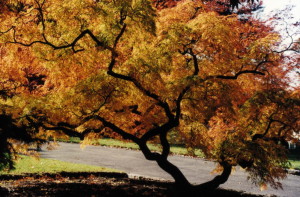 Color and contrast – Japanese maple in fall foliage glory
 - Winter branch structure
- Evergreen year-round color
This layered approach ensures the landscape continues evolving and changing throughout the year.
Professional Landscape Design in Sonoma County
Creating beautiful color and contrast in the landscape requires more than simply choosing attractive plants. Proper spacing, sunlight exposure, irrigation, mature size, and seasonal performance all influence how plant combinations will look over time.
As a Sonoma County design-build landscape contractor, Details Landscape Art creates custom outdoor spaces that combine artistry, horticultural knowledge, and thoughtful design principles.
Whether designing a modern landscape, Mediterranean garden, Asian-inspired retreat, or naturalistic wine country property, carefully balanced color and contrast help create outdoor spaces that feel vibrant, elegant, and timeless.
Create a More Beautiful Landscape
Color and contrast are what transform ordinary gardens into memorable outdoor environments. With thoughtful plant combinations, layered textures, and natural materials, a landscape can provide beauty and visual interest throughout every season.
If you are ready to create a professionally designed Sonoma County landscape filled with texture, contrast, and year-round beauty, contact Details Landscape Art today to learn more about our custom landscape design-build services.