
California Landscaping has always been closely tied to one critical factor: water. At Details Landscape Art, we have designed and installed gardens throughout Sonoma, Napa, and Marin Counties since 1991, and one of the most important lessons we have learned is that the history of California gardens is largely a story of changing water availability.
Our Mediterranean climate, with mild winters and dry summers, allows an extraordinary variety of plants to thrive. However, the ability to grow those plants has always depended on whether sufficient water was available.
California Landscaping Before Irrigation
Long before modern irrigation systems existed, California’s landscapes were dominated by native plants adapted to seasonal rainfall.
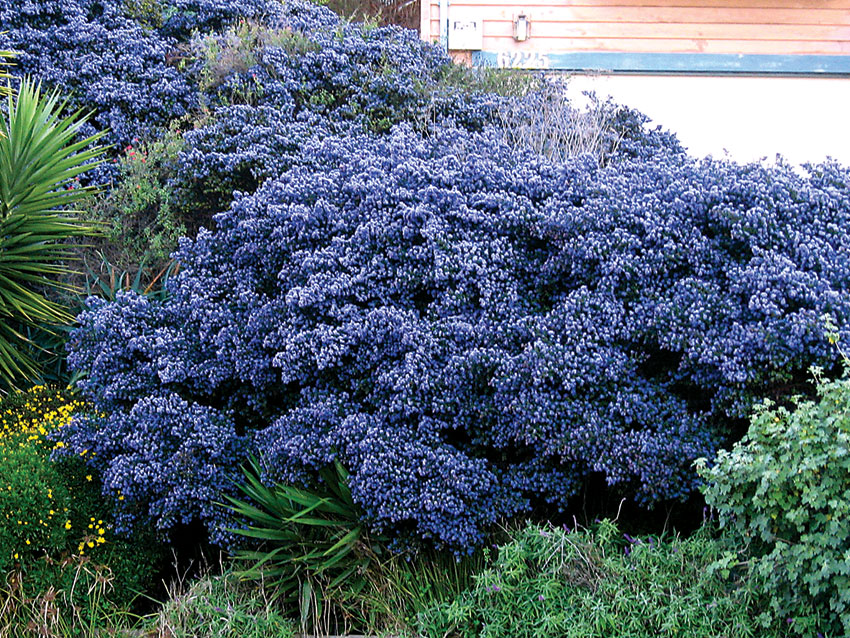
Native oaks, manzanitas, ceanothus, toyon, and many other California species evolved to survive months without summer rain. These plants required little assistance from humans and formed the foundation of California’s natural landscapes. Ceanothus is a staple in California landscaping
For thousands of years, native plants defined the appearance of much of the state.
Early Plant Introductions
The arrival of Spanish missionaries dramatically changed the plant palette.
Mission gardens became testing grounds for seeds and plant material brought from Europe and other parts of the world. Plants that adapted successfully to California’s climate were propagated and spread throughout early settlements.
Many of the ornamental plants, fruit trees, and garden traditions introduced during this period eventually became part of everyday California landscapes.
California Landscaping Expands
The development of irrigation systems allowed gardeners to move beyond strictly drought-tolerant plants.
Water diverted from streams, wells, and later large public water projects made it possible to grow lawns, flowering shrubs, and ornamental plants that would otherwise struggle in California’s dry summers.
As irrigation technology improved, the range of available landscape plants expanded dramatically.
Homeowners increasingly embraced lush lawns and colorful ornamental gardens inspired by landscapes from wetter regions of the country.
The Impact of Major Water Projects
Large-scale water infrastructure transformed California.
Projects such as:
- The State Water Project
- The Central Valley Project
- Colorado River water deliveries
made water available to millions of residents and agricultural operations.
Agriculture flourished, nurseries expanded, and plant selections became increasingly diverse. Landscape architects and designers gained access to a wider range of ornamental plants than ever before.
For decades, abundant irrigation encouraged lush landscape styles throughout many parts of California.
Drought Changes Everything
California’s relationship with water has never been completely predictable.
Major droughts, including those of the 1970s and more recent drought periods, reminded homeowners that water supplies are not unlimited.
Mandatory water restrictions often forced difficult choices regarding landscape irrigation.
Many homeowners reduced lawn areas, replaced thirsty plants, and adopted more efficient irrigation methods.
These droughts significantly influenced modern landscape design throughout California.
Modern California Landscaping
Today’s gardens often combine the best of both worlds.
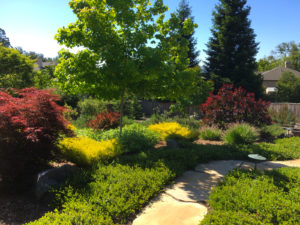 California landscaping can feature water-wise yet beautiful landscaping
Many homeowners still appreciate colorful ornamental plants and comfortable outdoor living spaces, but they also recognize the importance of water conservation.
Modern landscapes frequently include:
- Native plants
- Mediterranean-climate plants
- Efficient drip irrigation
- Reduced lawn areas
- Drought-tolerant plant selections
- Water-wise design principles
These gardens remain beautiful while requiring less water than traditional landscapes.
Looking Toward the Future
The history of California landscaping continues to evolve.
As irrigation technology improves and homeowners become increasingly aware of water conservation, landscape design continues to adapt. Native plants, climate-appropriate species, and efficient irrigation systems are playing a larger role than ever before.
At Details Landscape Art, we strive to create beautiful gardens that reflect both the realities of California’s climate and the desires of our clients. By understanding the history of California landscaping, we can better prepare for its future.